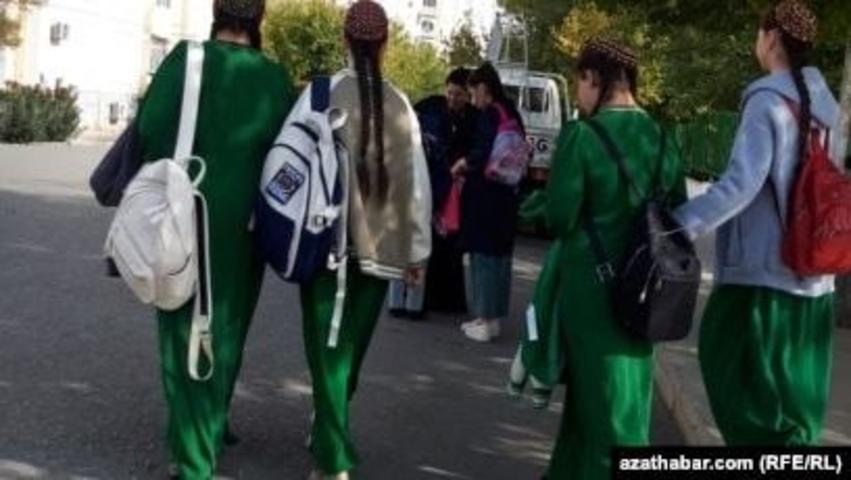
When a School Uniform Becomes a Measure of Dignity: Discrimination Against Children as a Reflection of the System in Turkmenistan The new school year has barely begun in Turkmenistan, yet a problem that cannot simply be dismissed as ordinary conflict between children has once again emerged. According to Radio Azatlyk, schoolchildren are being mocked and humiliated because they wear last year’s uniforms, inexpensive clothes or shoes, or because of their families’ financial circumstances. In some cases, the bullying continues on social media. But this is part of a much deeper problem. Discrimination is widespread in Turkmenistan, while effective and safe mechanisms to combat it are largely absent. Women and children, low-income families, and citizens from different regions of the country may face unequal treatment. Of particular concern are reports of prejudice against people originating from the Lebap and Dashoguz regions. Unfortunately, schools can also reproduce these broader social inequalities. When the Teacher Becomes the Source of Discrimination It is particularly dangerous when humiliation comes from a teacher — someone whose responsibility should be to protect a child’s dignity. Azatlyk cites accounts indicating that some teachers themselves may publicly shame or humiliate pupils, after which the child becomes a target of ridicule by classmates. There are also reports of children being treated differently depending on their parents’ social status. A teacher can stop discrimination, but can also legitimise it in the eyes of an entire classroom. Where can a child turn if the person humiliating them is a teacher? Where can parents complain? Who can guarantee that filing a complaint will not result in further pressure? This highlights one of Turkmenistan’s fundamental problems: prohibitions may exist on paper, but independent, accessible and safe mechanisms for protection remain insufficient. The Economic Crisis Follows Children into the Classroom School discrimination cannot be separated from the country’s socio-economic situation. Poverty among many families is being exacerbated by economic hardship, low incomes, unemployment and limited opportunities to earn a living. At the same time, state social assistance does not always provide families in difficulty with the support they need. As a result, citizens are often left to face their problems alone. Parents must find the money themselves for food, clothing, school uniforms and educational supplies. Their children may then be humiliated precisely because the family could not afford a new uniform or more expensive belongings. This creates a cruel vicious circle: a family suffers from poverty and inadequate social support, and the child is then humiliated because of the consequences of that poverty. An old school uniform is not a measure of a child’s worth. It may simply show how difficult life has become for their family. Girls and Children Are Particularly Vulnerable The situation of girls requires particular attention. Mockery about appearance or clothing, humiliating comments, videos posted online and insults on social media can turn school bullying into round-the-clock psychological pressure. Women and children are among those particularly vulnerable to discrimination, especially when there is no safe way to report abuse and receive effective assistance. It is therefore not enough simply to tell children: “Do not bully one another.” Turkmenistan Needs Protection, Not Silence Turkmenistan needs effective mechanisms to combat discrimination and bullying: confidential reporting channels for children and parents, accessible psychological support, proper training for teachers, accountability for the humiliation of pupils, and effective measures against cyberbullying. At the same time, the State must address the social causes behind the problem and provide meaningful assistance to families living in poverty. Neither the cost of a school uniform, nor a parent’s income, gender, place of birth, or whether someone comes from Lebap, Dashoguz or any other region should determine a person’s dignity or how they are treated. When a child is first left without adequate social protection and is then humiliated at school because of their family’s poverty, this is no longer simply a case of childhood bullying. It is a double failure of the system: social policy fails to protect the family, while the education system fails to protect the child. And as long as discrimination is silenced rather than confronted through effective mechanisms, it will continue to be passed from adults to children — and on to the next generation.
As a foundation, every individual's fundamental
protect and develop their rights
we are working for.