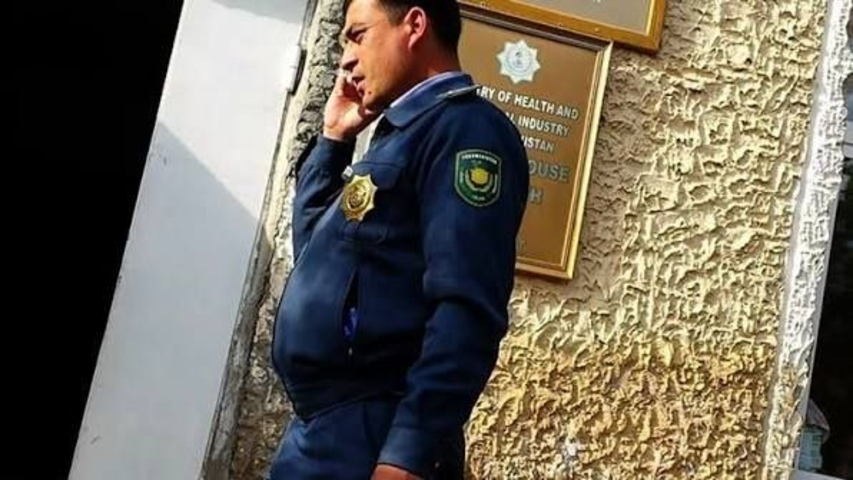
TURKMENISTAN'S SECURITY FORCES FORCE CITIZENS TO DELETE VIDEOS APPEALING FOR HELP: POVERTY BECOMES A REASON FOR INTIMIDATION HUMAN RIGHTS PLATFORM OF THE DAYANÇ CIVIL MOVEMENT / TURKMENISTAN 1 November 2026 According to independent media reports, officers of Turkmenistan's Ministry of National Security and police are putting pressure on socially vulnerable citizens, demanding that they delete videos posted on social media in which they appeal for financial assistance. Particularly alarming is the fact that those reportedly subjected to such pressure include pensioners, persons with disabilities, and families raising children with disabilities. On 27 October 2026, Radio Azatlyk, the Turkmen Service of Radio Free Europe/Radio Liberty (RFE/RL), reported incidents in Ahal Province involving residents who had appealed for assistance through TikTok to purchase medicines, food, and other essential necessities. Instead of receiving social assistance, these citizens reportedly faced intimidation, threats, and demands to remove their appeals from social media. A MOTHER OF A CHILD WITH A DISABILITY WAS THREATENED WITH HAVING HER CHILD PLACED IN AN INSTITUTION One particularly disturbing case concerns a resident of Ahal Province who asked to be identified as Menli. Following her husband's death, the woman was forced to leave her job to care for her child with a disability. According to her account, the state disability allowance is insufficient to cover rent, food, and necessary medicines. Unable to meet her family's basic needs, she published a video on TikTok requesting financial assistance. However, instead of receiving social support, she reported that police officers and representatives of the Ministry of National Security came to her home and demanded that she delete the recording. According to her testimony, the officers threatened to remove her child from her care and place the child in a residential institution if she was unable to provide adequate financial support. She further stated that the officers accused her of damaging Turkmenistan's reputation by publicly requesting assistance. Such allegations require an immediate, independent, and impartial investigation. Financial hardship must not, in itself, be used as grounds for separating a child from their parents. International child protection standards require states to support families and preserve family unity rather than punish parents for living in poverty. WHY IS AN APPEAL FOR HELP TREATED AS A THREAT TO THE STATE'S REPUTATION? The Human Rights Platform of the DAYANÇ Civil Movement / Turkmenistan raises several fundamental questions. Why should a citizen who cannot afford essential medicines be afraid to ask for help? Why should a mother caring for a child with a disability face threats instead of receiving social assistance? Why are security agencies reportedly demanding the removal of videos about poverty rather than addressing the circumstances that force people to seek public assistance? Why should openly discussing social problems be regarded as damaging the international reputation of the state? A state's reputation should be based on the actual well-being of its population, respect for human rights, and the effectiveness of its public institutions. Deleting videos does not eliminate poverty, provide medicines, or resolve the difficulties faced by families living in severe financial hardship. PRESSURE ALSO EXTENDS TO WRITTEN APPEALS The reported incidents in Ahal Province are not the only cause for concern. According to Radio Azatlyk, printing centres, photography studios, and other printing service providers in Ashgabat have reportedly refused to prepare or print citizens' written appeals addressed to the President and government institutions. On 21 October 2026, representatives of certain businesses reportedly told journalists that they had received instructions from officers of the Ministry of National Security not to accept such requests. Earlier reports also described pressure on social media users in Lebap Province. Taken together, these reports point to several methods through which citizens' ability to seek assistance and publicly describe their difficulties may be restricted. These allegations warrant independent examination to determine whether they form part of a broader pattern of suppressing citizens' complaints and requests for assistance. INTERNATIONAL HUMAN RIGHTS LAW ASSESSMENT If substantiated, the reported actions would raise serious concerns under several international human rights instruments to which Turkmenistan is a party. Article 19 of the Universal Declaration of Human Rights and Article 19 of the International Covenant on Civil and Political Rights protect freedom of expression, including the freedom to seek, receive, and impart information and ideas. Article 9 of the International Covenant on Economic, Social and Cultural Rights recognizes everyone's right to social security. Article 11 of the same Covenant recognizes the right to an adequate standard of living, including adequate food, clothing, and housing. Article 12 recognizes the right to the highest attainable standard of physical and mental health. Article 23 of the Convention on the Rights of the Child establishes specific protections for children with disabilities. Article 26 recognizes every child's right to benefit from social security. Article 27 recognizes the right of every child to a standard of living adequate for their development and requires states to take appropriate measures to assist parents and others responsible for children. Article 9 protects children against unjustified separation from their parents. Article 28 of the Convention on the Rights of Persons with Disabilities recognizes the right of persons with disabilities to an adequate standard of living and social protection. As a party to these international treaties, Turkmenistan is obliged to respect, protect, and fulfil the rights guaranteed under their relevant provisions. Particularly serious concern arises from allegations that threats of family separation are being used to intimidate a woman who publicly requested assistance for her child. Such conduct, if confirmed, could constitute unlawful interference with family life and an unjustified restriction on freedom of expression. THE POSITION OF THE DAYANÇ HUMAN RIGHTS PLATFORM The Human Rights Platform of the DAYANÇ Civil Movement / Turkmenistan considers the intimidation or persecution of citizens for requesting assistance, discussing poverty, reporting shortages of medicines, or highlighting inadequate social support to be unacceptable. Public authorities should regard such appeals as evidence of unmet social needs requiring an appropriate response, not as threats to the country's reputation. In light of the published reports, DAYANÇ calls upon the authorities of Turkmenistan to: 1. Immediately end all intimidation and pressure against citizens who publish appeals for social or financial assistance. 2. Conduct an independent, impartial, and effective investigation into allegations of threats against the mother caring for a child with a disability. 3. Ensure that the woman and her child are protected against intimidation, retaliation, and unjustified interference with family life. 4. Guarantee the right of all citizens to communicate freely with public authorities, independent media, and civil society organizations. 5. End unlawful interference by security agencies in the activities of businesses providing services related to the preparation and printing of citizens' written appeals. 6. Ensure effective access to social assistance, essential medicines, and appropriate support services for families raising children with disabilities. 7. Allow independent human rights monitoring and establish effective safeguards against reprisals targeting individuals who report violations or request assistance. POVERTY IS NOT A CRIME. ASKING FOR HELP IS NOT A THREAT TO THE STATE. No person should be intimidated for publicly stating that they cannot afford medicines or provide adequate food for their child. No mother should have to fear losing her child simply because her family is experiencing poverty. The responsibility of the state is to protect human dignity and address social hardship, not to conceal social problems by silencing those who speak about them. The Human Rights Platform of the DAYANÇ Civil Movement / Turkmenistan will continue to bring these concerns to the attention of international human rights mechanisms, including issues relating to freedom of expression, social protection, children's rights, and the situation of vulnerable families in Turkmenistan. We call upon the international community to pay particular attention to the protection of citizens who face intimidation after publicly requesting assistance. OFFICIAL REPRESENTATIVES HUMAN RIGHTS PLATFORM OF THE DAYANÇ CIVIL MOVEMENT / TURKMENISTAN Diana Dadasheva Chairperson — France Lala Abdyrahmanova Representative — Türkiye Website: dayanchcivil.com Email: dayanch.civil@gmail.com Date: 1 November 2026
As a foundation, every individual's fundamental
protect and develop their rights
we are working for.