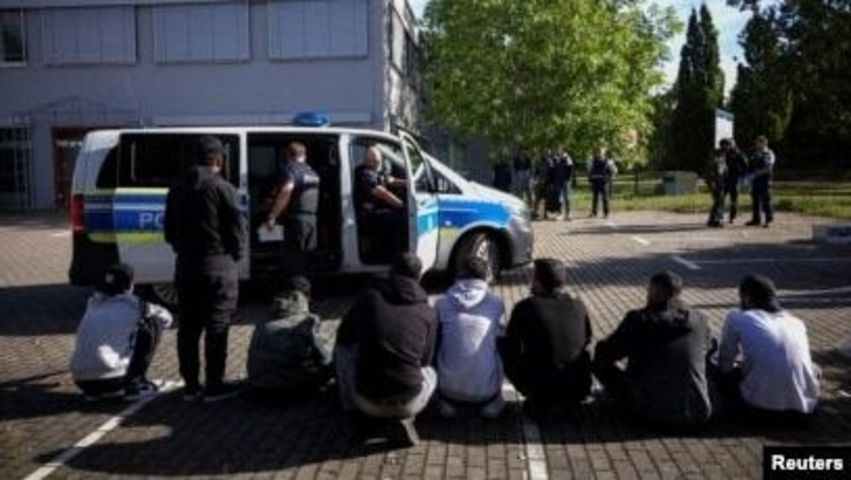
Turkmen Migrants in Poland Are Losing Their Jobs. But the Main Problem Is Not Poland — It Is the Policies of the Turkmen Authorities According to Azatlyk Radiosy, hundreds of Turkmen citizens working as taxi drivers in Poland are facing the risk of losing their jobs due to new documentation requirements. In many Polish cities, drivers must now provide an official certificate confirming they have no criminal record in their country of origin, translated into Polish. For Turkmen citizens, obtaining such a document has become a lengthy, costly, and, in many cases, nearly impossible process. Source: Azatlyk Radiosy, 13 July 2026 https://www.azathabar.com/a/polsadaky-turkmen-migrantlarynyn-yuzlercesi-issiz-galdy-cesmeler/33802585.html However, this story goes far beyond another administrative change in a European Union member state. It once again highlights a systemic problem that the authorities of Turkmenistan have refused to acknowledge for many years. To this day, the Turkmen government does not recognize the existence of large-scale labour migration or the significant outflow of its population. State propaganda continues to portray the country as one of full employment and prosperity, while hundreds of thousands of citizens are forced to leave in search of work and the means to support their families. If the state refuses to acknowledge the problem itself, it is unrealistic to expect it to effectively address the challenges faced by its citizens abroad. As a result, Turkmen citizens have spent years encountering obstacles in obtaining even the most basic government services. One of the most serious problems is the complete refusal of Turkmen diplomatic missions and consular offices to issue or renew international passports for Turkmen citizens living abroad. This practice directly contradicts Article 29(3) of the Law of Turkmenistan "On Migration," which provides for the issuance of international passports through diplomatic missions and consular offices. It also violates the Constitution of Turkmenistan and is inconsistent with the country's international obligations to protect the rights of its citizens. As a consequence, thousands of Turkmen citizens are unable to obtain new international passports in a timely manner, verify their identity, maintain lawful residence, renew work permits or residence permits, and exercise other legal rights in their countries of residence. The situation faced by Turkmen taxi drivers in Poland clearly illustrates the consequences of this policy. When a host country requires documents that a person cannot obtain because of the actions of their own government, the issue is no longer merely administrative. It becomes a matter of fundamental human rights and the state's responsibility toward its own citizens. According to Azatlyk, many migrants are forced to rely on intermediaries, paying substantial sums for assistance in obtaining the required documents. At the same time, they work 12 to 15 hours a day, pay for vehicle rentals, insurance, taxes, and contributions to Poland's social security system (ZUS), while making every effort to comply with Polish law and earn an honest living. This situation once again demonstrates that the problems faced by Turkmen migrants begin long before they encounter difficulties in their host countries. They are the direct result of a state policy that refuses to acknowledge the scale of labour migration, ignores its root causes, and fails to provide its citizens abroad with even the consular services guaranteed under its own legislation. As long as the authorities of Turkmenistan continue to deny the reality of mass emigration and ignore the genuine problems faced by their citizens abroad, similar crises will continue to occur. Turkmen citizens living abroad do not cease to be citizens of Turkmenistan. The state has an obligation to provide them with access to identity documents, consular services, and the protection of their rights regardless of where they reside. Until this obligation is fulfilled, thousands of Turkmen migrants will remain trapped in a system that first forces them to leave their homeland and then effectively deprives them of the ability to fully exercise their rights abroad.
As a foundation, every individual's fundamental
protect and develop their rights
we are working for.