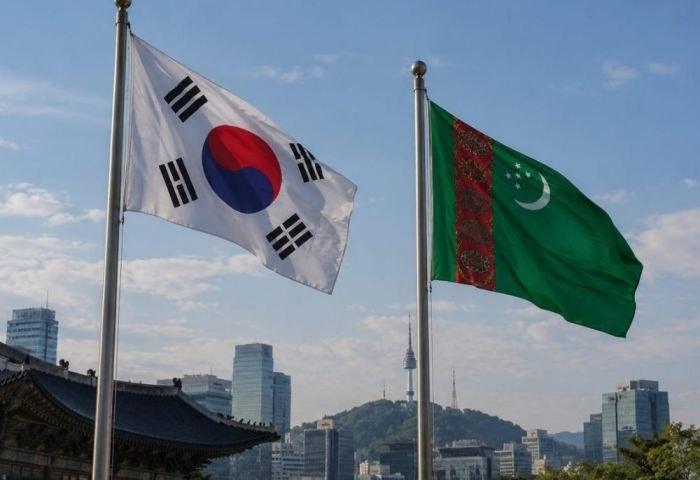
Turkmenistan and South Korea: 13 Agreements Against the Backdrop of a Systemic Crisis On 15 September 2026, the presidents of Turkmenistan and the Republic of Korea signed 13 agreements and memoranda covering cooperation in infrastructure, industry, technology and other sectors. However, for the people of Turkmenistan, the key question is not how many documents have been signed, but whether international economic cooperation will lead to tangible improvements inside the country. Turkmenistan continues to face serious economic problems. A significant gap persists between the official and unofficial exchange rates of the US dollar, prices continue to rise, while the incomes of a large part of the population remain low. Human rights groups and independent media continue to report forced labour, compulsory financial collections and widespread labour migration. Internet access remains extremely limited in both quality and availability. Meanwhile, major infrastructure improvements are particularly visible in the capital and in locations prepared for international delegations and events, while conditions elsewhere vary considerably. This raises another important question: with which state institutions are these agreements being concluded, and what guarantees do they provide for ordinary citizens? The President of Turkmenistan is constitutionally responsible for guaranteeing compliance with the Constitution, yet human rights organisations continue to document systematic violations of fundamental rights, including restrictions on freedom of movement, the lack of effective public oversight, concerns over judicial independence and cases of transnational repression. Another major concern is the lack of sufficient transparency in public finances and meaningful dialogue with civil society. Without transparent budgets, independent oversight and clear accountability mechanisms, it is difficult to determine how major international projects will actually benefit the population. Freedom of movement remains an especially serious issue. Citizens face arbitrary restrictions on leaving the country, while Turkmen citizens abroad encounter obstacles in obtaining or renewing passports through diplomatic missions. Such practices can separate families for years and raise serious concerns under Turkmenistan’s Constitution and migration legislation, including Article 29(3). Women and girls who experience violence also face significant barriers when seeking effective protection and access to justice. Therefore, these 13 new agreements should not be assessed solely by the volume of potential investment. The practical test is whether they improve the lives of ordinary people: whether they increase transparency, improve infrastructure and internet access, ensure decent working conditions, and are accompanied by respect for fundamental human rights. Without effective safeguards, transparency and accountability, international agreements risk remaining little more than declarations of cooperation that provide ordinary citizens with no meaningful guarantees.
As a foundation, every individual's fundamental
protect and develop their rights
we are working for.