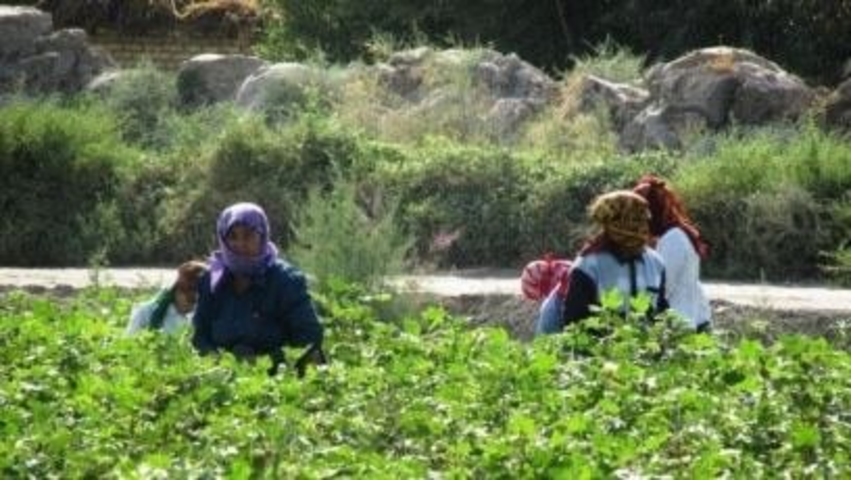
Cotton at the Cost of Human Rights: Forced Labour Continues in Turkmenistan The new cotton harvest season in Turkmenistan is once again accompanied by reports of a practice that the authorities have preferred to ignore for years: the coercion of citizens into labour and the shifting of state obligations onto the population. According to Radio Azatlyk, the beginning of the cotton campaign in Balkan Region has already affected not only public-sector employees but also ordinary residents. State-owned buses and minibuses that normally serve urban and intercity routes are reportedly being temporarily withdrawn from regular service to transport people to cotton fields. As a result, people who have nothing to do with the cotton campaign are also suffering: adults face difficulties getting to work, children struggle to reach school, demand for taxis increases, and transport costs rise. The situation is absurd: the price of fulfilling the State’s cotton production targets is being paid by ordinary citizens through their time, money and disruption to their daily lives. Pay or Go Pick Cotton Particularly concerning are reports regarding public-sector employees. According to sources cited by Azatlyk, employees may be required to contribute 100–200 manats, depending on their salary, to pay people hired to pick cotton in their place. Institutions are reportedly required to provide a certain number of cotton pickers, leaving employees with a choice: go to the fields themselves or pay someone to go in their place. According to the testimonies published by Azatlyk, the workers who actually pick the cotton receive approximately 40–50 manats per day. It is difficult to describe such labour as voluntary when a person is effectively given a choice between complying with the demand, surrendering part of their salary, or facing possible consequences for refusing. Buses, Public-Sector Employees and Even Soldiers — All for the Plan Azatlyk also reports the involvement of military personnel in the cotton campaign. According to the outlet’s sources, soldiers have reportedly been sent with tents to cotton fields in the Bereket, Magtymguly and Gyzylarbat districts. Even more revealing are reports that cotton harvested in other regions may be transported to Balkan Region so that the region can report that it has fulfilled its state production target. If these reports are accurate, an obvious question arises: what matters more — the actual performance of the agricultural sector or an impressive figure in a report presented to the country’s leadership? When fulfilling production targets requires mobilising public-sector employees, public transport and military personnel, while cotton may even have to be transferred between regions, this is no longer a story of a successful harvest. It is a story of a system using every available means to demonstrate success. Forced Labour Does Not End in the Cotton Fields In another report, Azatlyk draws attention to an even broader problem. According to testimonies from the outlet’s correspondents and sources, citizens of Turkmenistan are allegedly compelled not only to participate in agricultural work but also to take part in state-organised cultural and political events. It is particularly alarming when children become involved in such practices. Azatlyk recalls reports that during events organised for television filming at schools in Ashgabat, several six-year-old children lost consciousness. A child is not free background material for a staged television image. A teacher, doctor or other public-sector employee is not free labour for fulfilling a cotton production target. The State Must Eliminate Forced Labour — Not Organise It The prohibition of forced labour must exist in practice, not merely on paper. If the head of an institution demands money “for cotton”; if an employee is told to find someone to replace them in the fields; if refusal may result in problems at work; or if employees are systematically sent to harvest cotton regardless of their wishes, this should not simply be described as voluntary assistance to agriculture. It raises serious concerns about forced labour. Reports involving children and military personnel require particularly close scrutiny. The silence of state institutions must not be allowed to turn such practices into an accepted norm. Citizens of Turkmenistan: Report Violations to the ILO The Dayanç Civil Human Rights Platform once again calls on citizens of Turkmenistan: do not accept forced labour as inevitable simply because these practices have existed for many years. If you or your colleagues are forced to pick cotton, required to pay money to hire replacement pickers, threatened with dismissal or other consequences for refusing, or if public-sector employees, military personnel or children are subjected to coercion, information about such cases can be submitted to the International Labour Organization (ILO). 📧 teswir@ilo.org 📞 +993 71 659970 When submitting information, provide as many specific details as possible: where and when the violation occurred, the name of the institution or organisation involved, what exactly people were ordered to do, how much money they were required to pay, how many people were affected, and what consequences were threatened for refusing. Any documents, messages, photographs or other evidence should be preserved where it is safe to do so. If you fear retaliation, exercise particular caution when sharing personal information and explicitly request that your identity and information be treated confidentially. Forced labour does not become voluntary simply because it is called “assistance,” a “duty,” or a “cotton campaign.” Every testimony matters. Every report helps document practices that the authorities seek to portray as normal. Do not remain silent. Forced labour is a human rights violation, not a citizen’s duty.
As a foundation, every individual's fundamental
protect and develop their rights
we are working for.